The Most Popular Uses of Fotona Laser Treatments Today
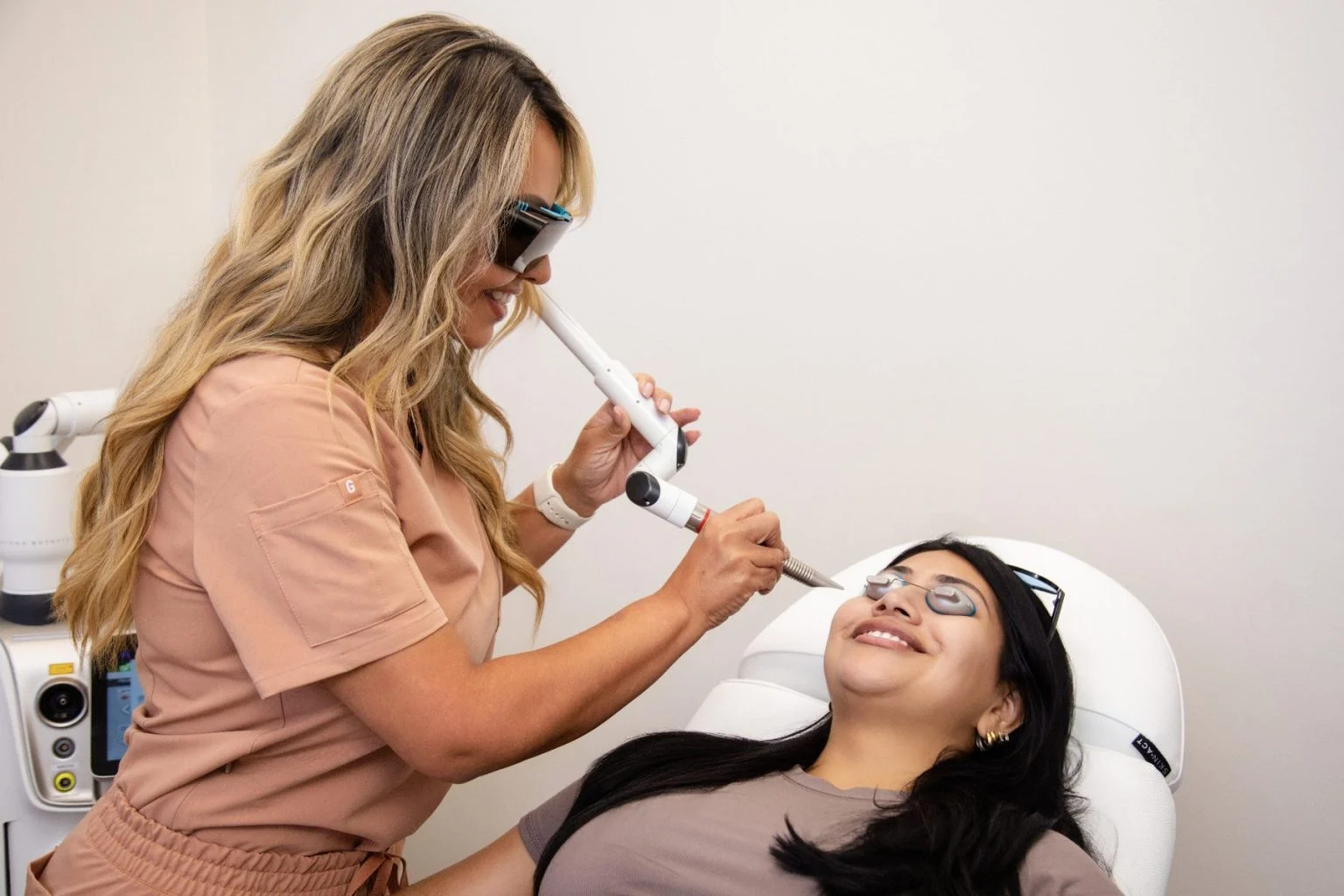
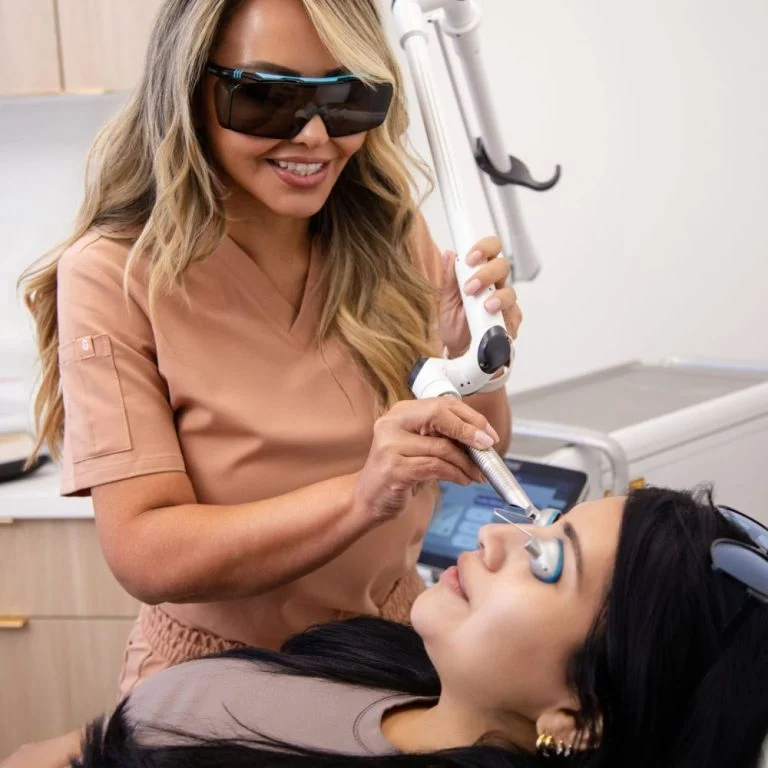
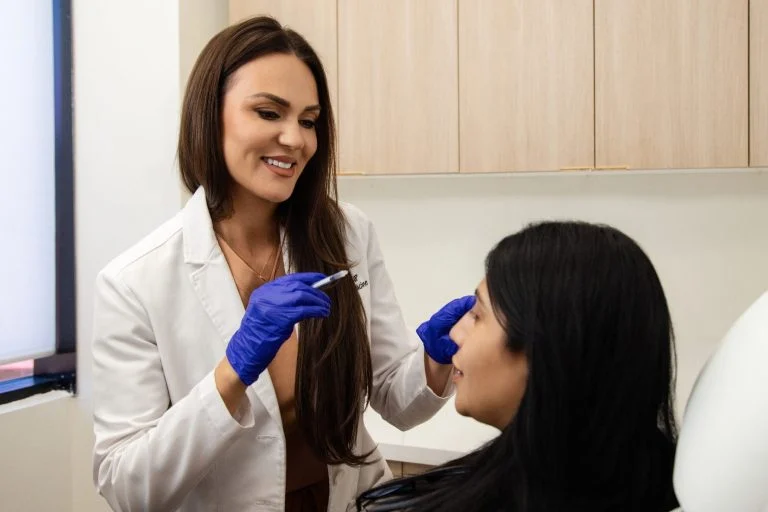
Fotona has earned a strong reputation in aesthetic medicine because it is not just one treatment. It is a laser platform with multiple modes and wavelengths, most commonly Er:YAG and Nd:YAG, that allows experienced clinicians to address very different concerns with a high degree of control. That flexibility explains why Fotona Laser Treatments show up so often in modern practices, from cosmetic dermatology clinics to med spas that work under medical supervision.
What makes the platform especially popular is not hype. It is the practical reality that one system can handle resurfacing, texture refinement, acne scars, vascular concerns, collagen remodeling, and certain non-surgical tightening applications. For patients, that means fewer compromises. For practitioners, it means they can tailor depth, heat, and downtime to the skin concern in front of them rather than forcing every patient into the same protocol.
Anyone who has spent time in a busy aesthetic practice knows that popularity is not driven by technology alone. Treatments become popular because they solve common problems in a way patients can tolerate. They also need to fit real life. People want visible improvement, manageable recovery, and a plan that does not disrupt work, family, or social commitments more than necessary. Fotona sits comfortably in that space.
Why Fotona became such a versatile platform
The reason Fotona continues to gain traction comes down to how its energy can be delivered. Er:YAG is often favored for precise ablation and resurfacing because it interacts strongly with water in the skin. Nd:YAG penetrates deeper and is often used where thermal stimulation, vascular targeting, or collagen remodeling is the goal. In the right hands, that gives a clinician room to build layered treatments instead of relying on a single pass with a single effect.
That matters because skin complaints rarely come one at a time. A patient may have enlarged pores, early laxity, uneven tone, and post-acne marks all in the same area. A technology that can treat only one dimension of that problem may still help, but it may not be the most efficient option. Fotona often becomes the choice when a clinician wants to improve surface quality and deeper support in the same treatment plan.
It is also a system that can be adjusted for different tolerance levels. Some patients want the strongest result they can reasonably achieve and are willing to accept several days of visible downtime. Others need a gentler approach that lets them return to normal activity quickly, even if that means more sessions. That range of treatment intensity is one reason the platform stays relevant.
Skin resurfacing remains the best-known use
If there is one use that consistently drives interest, it is resurfacing. Patients usually arrive describing dullness, rough texture, fine lines, visible pores, or that tired look makeup no longer hides well. A well-designed Fotona resurfacing treatment can improve all of those concerns by removing damaged superficial layers and stimulating repair.
In practice, resurfacing is not one thing. It can be very light, almost like a refresh for crepey or uneven skin, or more aggressive when acne scarring and etched-in lines are the main issue. The Er:YAG side of the system is especially valued here because it can be precise. That precision helps practitioners balance effectiveness with recovery time.
Patients often ask whether resurfacing is worth it compared with peels or microneedling. The answer depends on the problem. For mild roughness or seasonal brightening, less intensive options may be enough. But when someone has persistent texture, smoker’s lines, acne scarring, or years of accumulated photodamage, laser resurfacing often produces a level of refinement that topical products and lighter procedures simply do not.
The recovery period varies widely. Some patients have a pink, tight feeling for a couple of days after a gentler treatment. Others will have more obvious redness and peeling after a stronger session. This is where clinical judgment matters. The best outcomes do not come from using the maximum settings on everyone. They come from matching intensity to skin type, tolerance, medical history, and expectations.
Acne scars are one of the most common reasons patients book
Acne scars are emotionally sticky. Even after active breakouts stop, the marks can linger for years and affect confidence in a way outsiders often underestimate. Fotona Laser Treatments are popular in this area because they can improve both the surface irregularity and some of the deeper textural disruption that makes scars stand out under side lighting.
The most treatable scars tend to be shallow boxcar scars, rolling scars, and general unevenness left behind by inflammatory acne. Ice pick scars are usually more stubborn and may need combination approaches. That might include focal techniques, subcision, microneedling radiofrequency, or chemical reconstruction in addition to laser. A responsible clinician says that plainly. Laser is powerful, but it is not magic.
What patients appreciate about Fotona in scar work is the ability to customize. Some need more resurfacing at the top layer. Others benefit from deeper thermal stimulation to encourage remodeling over time. Results are also cumulative. It is common to see meaningful improvement after a series rather than a single session, especially when the scarring has been present for years.
A detail worth mentioning from real practice is that scar treatment success depends heavily on lighting and expectations. Many patients evaluate themselves in magnifying mirrors or under bathroom spotlights that exaggerate every contour. Good consultations reframe the goal. The aim is not flawless, poreless skin. The aim is softer edges, less shadowing, smoother makeup application, and a complexion that reads healthier at normal social distance. When framed that way, satisfaction tends to be much higher.
Non-surgical skin tightening has become a major draw
One of the more appealing uses of Fotona is tightening without surgery. This is usually not a substitute for a facelift or eyelid surgery in someone with advanced laxity, but it can be very useful for early to moderate changes. Patients in their thirties, forties, and fifties often fall into the category where they are not ready for surgery, yet they can see the first signs of sagging, thinning skin, and loss of snap.
Nd:YAG-driven collagen heating plays a role here, as do protocols designed to stimulate remodeling over time. The appeal is understandable. Many people want a fresher jawline, firmer lower face, or improved periocular skin without incisions or a long recovery. Fotona fits that need well when expectations are realistic.
The eye area is a good example. The skin around the eyes is thin and often the first place to show crepiness. Certain Fotona protocols are used to tighten and smooth this area gently. Patients often report that concealer sits better and the skin looks less papery. The changes are usually subtle to moderate, but for the right patient they can be exactly enough.
The biggest misconception with tightening treatments is speed. People hope for a dramatic overnight change. Some immediate contraction can happen, but the more important improvements usually develop over weeks to months as collagen remodeling takes place. That timeline should be part of every consultation. It avoids disappointment and helps patients understand why spaced sessions and maintenance matter.
Pigmentation and sun damage are frequent treatment goals
Uneven pigmentation is another major reason patients seek laser care. Sun spots, mottled tone, and cumulative UV damage can make the skin look older even when lines are minimal. Fotona can help in selected cases, especially when uneven tone is paired with textural wear and tear.
This is an area where nuance matters. Not all pigmentation responds the same way, and not every person is the right candidate for the same laser approach. Brown spots from sun exposure may improve well, while hormonally driven melasma can be more unpredictable and sometimes worsen if heat-based treatments are used carelessly. Experienced clinicians know the difference and proceed conservatively when melasma is suspected.
That distinction matters because patients often walk in using the single word “pigmentation” for several very different conditions. The best practices slow the process down. They ask when the discoloration started, whether it fluctuates with seasons or hormones, what previous treatments have been tried, and how the skin reacts to irritation. That detective work often determines whether Fotona should be used aggressively, gently, or not at all.
When it is appropriate, the improvement can be striking. Skin that once looked patchy and weathered can appear clearer and more even, especially when treatment is paired with serious sunscreen use and a sensible home routine. Laser can remove damage, but it cannot compete with daily sun exposure. Patients who understand that tend to protect their results better.
Vascular concerns and facial redness are part of the story
Although many people associate Fotona mainly with resurfacing, it is also used for certain vascular issues, depending on the platform and protocol. Facial redness, small visible vessels, and some diffuse vascular changes can be addressed, particularly when Nd:YAG is part of the treatment strategy.
This tends to appeal to patients with persistent cheek redness, fine broken capillaries around the nose, or a flushed appearance that never seems to settle. In mild to moderate cases, reducing visible vessels can make the entire complexion look calmer and healthier. People often underestimate how much redness contributes to a tired or irritated appearance.
That said, vascular work requires careful assessment. Rosacea-prone skin can be reactive, and overly aggressive treatment may provoke irritation rather than improvement. In the clinic setting, some of the happiest patients are the ones who were treated gradually, with room to watch how their skin behaved before moving to stronger settings. The urge to do everything in one session is understandable, but restraint often produces the better long-term result.
Lip enhancement without filler has gained attention
One of the more talked-about applications in recent years is laser-based lip enhancement, often marketed under branded treatment names. The attraction is obvious. Many patients want smoother lips, a little more fullness, and better definition, but they are hesitant about injectables or do not want the look that can come with overfilling.
Fotona can be used to stimulate collagen in and around the lips, soften vertical lines, and create a modest plumping effect. It is subtle compared with filler, and that is exactly why some patients prefer it. The result is not a dramatic volume jump. It is more of a polished, healthier lip with improved texture and a slightly fuller appearance over time.
This category speaks to a broader shift in aesthetics. Not everyone is chasing transformation. A growing share of patients wants maintenance, refinement, and believable results. They want colleagues to think they look rested, not altered. For that patient mindset, laser lip treatments make a lot of sense.
Snoring treatments have carved out a surprising niche
Not every popular Fotona use is cosmetic. Certain intraoral laser protocols have been used for snoring reduction in selected patients. The principle involves controlled heating that supports tissue tightening in the soft palate area, which may reduce vibration and noise in some cases.
This is not a universal fix, and it is not a replacement for proper evaluation when obstructive sleep apnea is a concern. That distinction is non-negotiable. Snoring can be simple, positional, and benign, or it can be a sign of a more serious breathing disorder. Anyone with witnessed apneas, daytime sleepiness, or significant sleep disruption deserves a formal medical workup.
Still, for the right patient, this use has become more visible because it addresses a common complaint without surgery. In real-world terms, partners often drive the appointment. The patient may be mildly bothered by snoring, but the person beside them is often highly motivated. When the anatomy and expectations are appropriate, non-surgical snoring treatment has understandable appeal.
Gynecologic applications helped broaden the platform’s reach
Fotona is also known for certain non-surgical gynecologic treatments, including procedures intended to improve vaginal laxity, dryness, or mild stress urinary incontinence symptoms in carefully selected patients. This area deserves especially careful discussion because it has been marketed aggressively in some corners of aesthetics, sometimes beyond what the evidence comfortably supports.
Used responsibly, energy-based treatments may help some women who are dealing with post-childbirth tissue changes or genitourinary symptoms associated with menopause. Patient selection, informed consent, and a clear explanation of alternatives are essential. These treatments should not be presented as casual beauty upgrades. They belong in a proper medical conversation that includes symptom severity, hormone status, pelvic floor health, and when indicated, gynecologic evaluation.
The popularity here reflects an unmet need. Many women want help with symptoms they have quietly tolerated for years. When conservative measures have not been enough, and when the treatment is offered by a qualified medical professional who explains benefits and limitations honestly, this can be a meaningful application of the platform.
Why combination treatment plans are so common
One reason Fotona stays busy in practice is that it layers well with other treatments. Rarely does a skilled clinician rely on one modality forever. Instead, laser may be combined with neuromodulators, fillers, medical skincare, peels, or microneedling depending on the patient’s priorities.
A patient with acne scarring, for example, may do subcision first, then a series of Fotona sessions, then finish with maintenance skincare and strict sun protection. Another patient with facial aging may pair laser tightening and resurfacing with small amounts of filler in areas where volume loss is the real issue. These are not signs that laser failed. They are signs that aging and skin damage are multi-layered problems.
Patients are often relieved to hear this explained clearly. They do not need every treatment available. They need the right sequence. In my experience, the strongest practices are not the ones that sell the biggest package on day one. They are the ones that define the main problem accurately, treat that first, and leave room to reassess.
What patients should weigh before booking
The most common mistake patients make is choosing a treatment by name alone. Fotona Laser Treatments can be excellent, but the platform is only as good as the assessment, settings, technique, and aftercare behind it. A branded device does not erase the importance of operator skill.
A few practical questions separate a thoughtful consultation from a sales pitch:
- What specific concern is being treated, and why is this laser the right choice for it?
- How much downtime should be expected for this exact protocol?
- How many sessions are realistically needed, and what level of improvement is typical?
- What are the risks for this skin type, especially regarding pigmentation changes or prolonged redness?
- What alternatives would the clinician consider if this were not the best fit?
Those questions matter because not every person is an ideal candidate. Darker skin tones may need more cautious parameter selection for certain resurfacing approaches. Patients on isotretinoin, those with active infections, https://jasperfvcv031.publishlane.com/posts/the-beginner-friendly-guide-to-fotona-laser-treatments a history of poor wound healing, or a tendency toward post-inflammatory hyperpigmentation may require modified plans or delays. People prone to cold sores may need antiviral prophylaxis before lip or perioral treatment. These are ordinary clinical details, but they have a major impact on safety and satisfaction.
Aftercare often determines how good the final result looks
Laser treatment does not end when the device turns off. Aftercare is where many results are protected or undermined. Good skin barrier support, sun avoidance, consistent sunscreen use, and simple, non-irritating products matter more than patients sometimes realize.
The first week after resurfacing is usually the wrong time to experiment with active serums, exfoliating acids, or fragranced products. Skin is healing, and the goal is calm recovery, not extra stimulation. Most clinicians who do a high volume of laser work keep the advice straightforward because complicated routines invite mistakes.
There is also a social reality to downtime. Even when recovery is medically uncomplicated, visible redness or flaking can be inconvenient. Patients with public-facing jobs, filming schedules, or major events should plan carefully. The happiest laser patients are often the ones who timed treatment intelligently and did not squeeze it into the three days before a wedding or conference.
Where Fotona fits in the larger aesthetic landscape
The popularity of Fotona is not accidental. It sits in a useful middle space between very light treatments that require little commitment and more invasive procedures that deliver bigger changes but demand more recovery. For the modern patient, that middle space is crowded, competitive, and highly appealing.
What keeps Fotona relevant is its adaptability. It can refresh the skin of someone in their early thirties who wants prevention and polish. It can also serve the patient in their fifties who wants visible textural improvement and some tightening without moving straight to surgery. That range gives it unusual staying power.
It also reflects a broader maturity in aesthetic medicine. Patients are better informed than they used to be. They ask sharper questions. They compare technologies. They want results that fit their face, their lifestyle, and their tolerance for downtime. Fotona Laser Treatments continue to thrive because, when used well, they meet those demands with flexibility and credible performance.
The most popular uses today, resurfacing, acne scar treatment, tightening, pigment improvement, vascular correction, lip refinement, snoring support, and select gynecologic applications, all share one trait. They address real complaints people notice in the mirror or in daily life. That is usually the best predictor of staying power in aesthetics. Trends come and go, but treatments that solve common problems in a practical way tend to remain. Fotona has done exactly that.
OMNIA Wellness Center
Address: 16430 Ventura Blvd Ste 207, Encino, CA 91436
Phone number: +18183868511
FAQ About Fotona Laser Treatments
What is a Fotona laser good for?
A Fotona Laser system is a versatile, dual-wavelength medical laser used primarily for non-surgical skin tightening, anti-aging rejuvenation, and dermatological treatments.
How much does the Fotona laser cost?
The cost of a Fotona laser depends heavily on whether you are looking to purchase a laser machine for a medical practice or are a patient seeking a laser treatment at a medspa.
Is a Fotona laser worth it?
A Fotona laser treatment is generally worth it if you want non-surgical skin tightening, improved texture, and collagen stimulation with very little downtime.